The Daily Bonus Loop: How CT777 Turns a Login Into a Routine
The Daily Bonus Loop: How CT777 Turns a Login Into a Routine
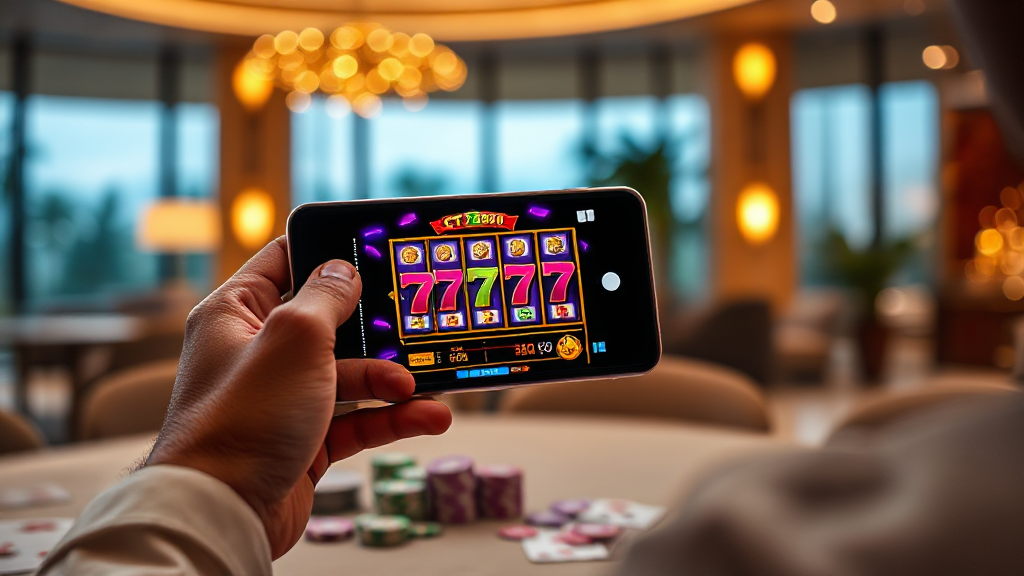
There is a specific moment that most regular players will recognize. The phone is in hand, the screen is already unlocked, and the app is open before any conscious decision has been made. Nobody sat down and planned to play. The thumb simply moved, the icon was tapped, and the lobby appeared. That moment is not an accident of willpower or boredom. It is the visible surface of a habit loop, and on ct777, the daily bonus is the engine that keeps it turning.
Understanding that loop matters for anyone who already opens the app most days. When you can see the mechanics behind the routine, you stop being surprised by your own behavior and start making deliberate choices about it. This is a narrative look at how the reward rhythm works, why it stretches sessions, and what it quietly teaches players over weeks and months.
The Loop in Plain Language
A habit loop has three parts: a cue, a routine, and a reward. Most reward systems built into mobile products follow the same skeleton. The cue is a trigger that tells the brain something worth doing is available. The routine is the action taken in response. The reward is the payoff that confirms the action was worth repeating.
On CT777, the cue is not a push notification alone, although notifications help. The stronger cue is the player’s own memory of the previous reward. The routine is opening the app and claiming the daily bonus. The reward is the credit itself, plus the small sense of progress that comes with a streak that has not been broken. The loop closes when the player finishes the session and the brain files the sequence away as something to repeat tomorrow.
What makes this loop durable is that it is short. A cue-to-reward cycle that takes under a minute is far easier to repeat than one that requires setup, deposits, or decisions. The daily bonus sits at the front of the app experience precisely because it is the cheapest possible action with a guaranteed payoff.
Phase One: Arrival and the Claim
The first phase of the loop is arrival. This is where the habit is most visible. Players who have been logging in for a while often describe the same sequence: open the app, tap the bonus area, watch the reward animation, and only then decide what to actually play. The claim is not the point of the session. It is the doorway into it.
This ordering is deliberate and it is effective. By placing a guaranteed reward before any game selection, the platform removes the friction of a cold start. There is no moment of hesitation about whether the session is worth beginning. The bonus answers that question before it can be asked. For players who are already in the habit, the claim takes seconds, but those seconds set the tone for everything that follows.
It is worth noticing what the arrival phase does to intent. A player who opened the app to check a message or pass a few minutes now has a small balance that did not exist a moment ago. That balance creates a reason to continue. The gap between arriving and playing has effectively been closed by the reward itself.
Phase Two: The Streak and the Cost of Missing a Day
The second phase is where the loop gains its grip. A single daily bonus is a perk. A streak is a system. Once a player has claimed for several days in a row, the bonus stops being about the credit and starts being about the record. Missing a day means losing something that was built, and that loss feels different from simply not earning.
This is the psychological center of the whole design. Streak logic converts an optional reward into a soft obligation. Players do not necessarily log in because they want to play. They log in because they do not want to reset. The behavior looks identical from the outside, but the motivation has shifted from desire to maintenance.
The practical effect is that session frequency becomes more stable. A player who might naturally play two or three times a week now opens the app daily, even if some of those sessions are short. Those short sessions are not wasted from the platform’s perspective. They keep the habit warm and the app in the daily rotation, which is exactly what any routine-based product needs.
For the player, the useful question is whether the streak is serving them or they are serving the streak. There is no single right answer. But recognizing that the streak is a designed pressure, not a natural one, is the first step toward deciding how much of it to accept.
Phase Three: Session Stretch and the Return Tomorrow
The third phase is where the loop pays off for the platform and where players notice the real cost. The bonus gets you in the door. The streak keeps you coming back. But the session itself is where time is spent, and the daily bonus quietly influences how long that session runs.
Here is the mechanism. A claimed bonus adds to the balance, and a larger balance makes it easier to keep playing. Each spin or hand feels less expensive because the player is partly playing with credited funds rather than their own. That reduced sense of cost extends the session. The player who intended to play for five minutes finds that fifteen have passed, and the reason is not that the games changed. The reason is that the entry cost was absorbed by the bonus.
This is why the daily bonus is best understood as a session-length tool rather than a simple giveaway. It does not just reward loyalty. It changes the economics of the first few minutes in a way that makes stopping feel premature. Slot players feel this most clearly, since each round is short and the balance moves visibly. Card and lottery players feel it differently, through the sense that the bonus has given them extra attempts at a result they already wanted.
The loop then closes on itself. A stretched session produces a stronger memory of the reward, which strengthens the cue for tomorrow. The bonus that started the session is also the reason the next session begins.
What the Loop Teaches Over Time
Reward loops are not inherently good or bad. They are simply efficient. The question is what a player does with the awareness of one. Once you can see the three phases clearly, arrival, streak, and stretch, you can decide which parts of the routine you actually want.
Some players find that the bonus is genuinely useful. It gives them a reason to check in, a small starting balance, and a predictable rhythm that fits into a daily routine without much thought. Others find that the streak pressure pushes them into sessions they did not plan and would not have chosen. Both experiences are real, and both come from the same design.
The most practical response is not to quit the loop but to observe it. Notice the moment you open the app out of habit rather than intent. Notice whether you are claiming the bonus because you want to play or because you do not want to break the chain. Notice how long the session runs after the claim compared to how long you expected it to run.
Those observations do not require any change in behavior. They simply return a small amount of authorship to the player. A routine that was invisible becomes visible, and a visible routine is one you can shape. The daily bonus will keep doing its job either way. The only question is whether you are doing yours.