Maintaining Your Verified Redotpay Account for the Long Haul
Maintaining Your Verified Redotpay Account for the Long Haul
A verified Redotpay account is a lot like a garden. You do not plant it once and walk away expecting it to thrive forever. Weeds appear, soil dries out, and seasons change. The same is true for a verified payment account: it needs regular attention, timely updates, and a bit of foresight to stay healthy over the years. People who treat verification as a one-time event often run into avoidable problems later, while those who adopt a maintenance mindset tend to enjoy smooth transactions and fewer interruptions. This article is for the long-term thinker who wants to avoid future headaches, whether you are managing a single account or several financial tools. The same discipline that keeps a payment profile in good standing also applies when you decide to Buy Aged GitHub Account for developer-related work, because older profiles carry history that needs consistent care.
Why Long-Term Maintenance Matters More Than You Think
Many users focus entirely on getting verified and then assume the hard part is over. In reality, verification is just the starting line. Payment platforms continuously review account activity, and small inconsistencies can accumulate into larger issues if left unchecked. A missed document update, an expired ID, or a sudden change in transaction patterns can trigger a review that might have been avoided with routine upkeep.
Think about what happens when you neglect a garden for a few weeks. The damage is rarely dramatic at first, but by the time you notice, you are dealing with overgrowth and dead plants. Accounts behave similarly. A phone number that is no longer active, an email address you stopped checking, or a bank statement that no longer matches your current situation can all become points of friction. Long-term maintenance is about catching these small drift points before they become serious.
There is also a compounding benefit. Accounts that have been consistently well-maintained often enjoy smoother verification checks, faster support responses, and better access to features. Platforms reward reliability, even if they do not say so explicitly. By treating your account as an ongoing responsibility rather than a one-time purchase, you position yourself for fewer surprises and more stable access to the financial tools you rely on.
Building a Maintenance Calendar That Actually Works
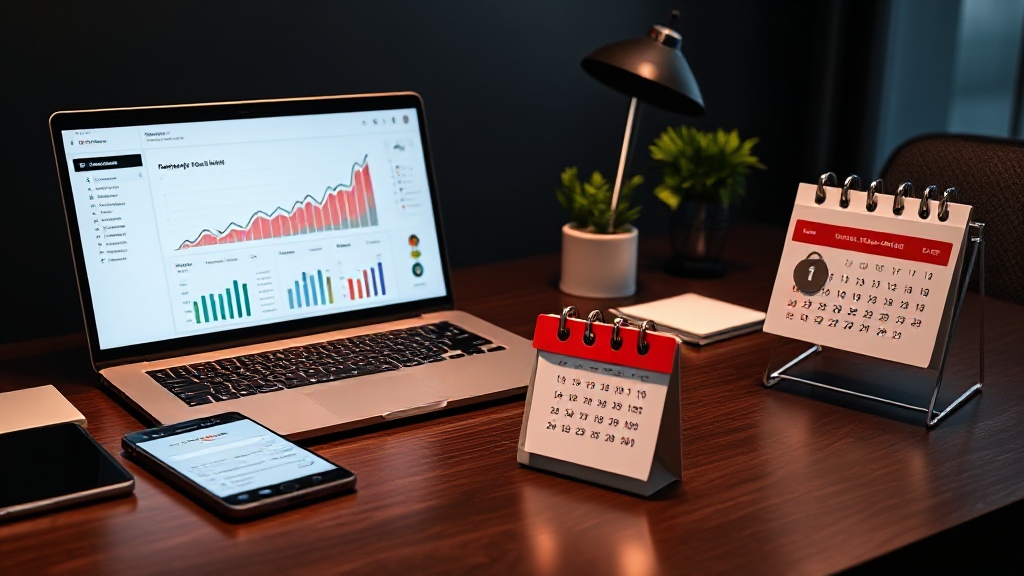
A maintenance calendar does not need to be complicated. The goal is to create a rhythm of small, regular checks so that nothing falls through the cracks. You can use a simple spreadsheet, a calendar app, or even a paper planner. What matters is that you assign specific tasks to specific time frames and then follow through.
A practical calendar might look like this:
- Monthly: Review recent transaction activity for anything unusual. Confirm that your contact information is still accurate. Check for any platform notifications or policy updates.
- Quarterly: Verify that your identity documents are still valid and legible. Update any information that has changed, such as your address or phone number. Review your security settings, including two-factor authentication.
- Every six months: Do a deeper review of your account standing. Confirm that your linked payment methods are still active. Check whether any new verification requirements have been introduced.
- Annually: Conduct a full audit of your account. Compare your profile details against your current official documents. Review your overall transaction history and consider whether your usage patterns align with the account’s intended purpose.
This cadence works because it distributes the workload evenly. You are never doing everything at once, and you are never going months without a check. If you manage multiple accounts, you can stagger the schedules so that they do not all demand attention in the same week.
Periodic Reviews: What to Check and When
Periodic reviews are the heart of long-term account health. They are your opportunity to catch problems early and to confirm that everything is still in order. A good review is systematic, not casual. You want to move through a consistent checklist each time so that you do not miss anything important.
Start with your personal information. Confirm that your legal name, date of birth, and address match your official documents exactly. Even a small discrepancy, such as an abbreviation or a missing apartment number, can cause issues during a review. Next, check your contact details. Make sure your email address and phone number are current and that you can still access them. If you have changed phone numbers or email providers, update your account immediately.
Then move to your documents. Identity documents expire, and platforms often require current versions. Check the expiration dates on your passport, driver’s license, or national ID. If any document is nearing its expiry, plan to update it before it lapses. You should also confirm that your uploaded documents are still clear and readable. A blurry scan that was accepted a year ago might not pass a future review.
Finally, review your security settings. Confirm that two-factor authentication is enabled and that your recovery options are up to date. Check for any unfamiliar devices or sessions and remove them if necessary. Security and verification are closely linked; a compromised account can quickly become a verification problem.
Updates, Upgrades, and Policy Changes
Payment platforms evolve, and so do their requirements. What was sufficient for verification two years ago may no longer meet current standards. Part of long-term maintenance is staying informed about policy changes and adapting accordingly. This does not mean you need to read every announcement, but you should pay attention to any communication that affects your account.
When a platform introduces new verification requirements, act on them promptly. Delaying can lead to restricted access or a temporary freeze while the system waits for your updated information. If you receive a request for additional documents, respond within the stated timeframe. Even if the request seems redundant, treating it as routine maintenance rather than an inconvenience will save you time in the long run.
Upgrades are another consideration. Some platforms offer enhanced features or higher limits for accounts that meet additional criteria. If your needs have grown, it may be worth pursuing those upgrades. The same maintenance discipline applies: gather the required documents, submit them accurately, and follow up if you do not receive confirmation.
It also helps to keep a personal record of when you last updated each piece of information. A simple log can prevent confusion and ensure that you are not caught off guard by an expiry date you forgot about. This is especially useful if you manage accounts across multiple platforms, each with its own timeline and requirements.
Common Mistakes That Undermine Account Standing
Even well-intentioned users make mistakes that can weaken their account standing over time. One of the most common is neglecting to update contact information. If a platform cannot reach you, it may take action on your account without your knowledge. Another frequent issue is using inconsistent personal details across different parts of your profile. Your name should appear the same way everywhere, matching your official documents.
Another mistake is ignoring small notifications. A message about a policy update or a routine review request may seem unimportant, but failing to respond can have consequences. Treat every official communication as something that deserves at least a quick read. If you are unsure whether a notice requires action, it is better to check than to assume.
Some users also make the mistake of changing too much at once. If you update your address, phone number, and linked bank account all in the same week, you may trigger additional scrutiny. Whenever possible, space out significant changes so that your account activity remains consistent and easy to verify. This is not about hiding anything; it is about avoiding unnecessary red flags.
Finally, do not share your account credentials with anyone. Even if you trust the person, shared access can lead to activity that looks suspicious to the platform. Your account is your responsibility, and keeping it secure is part of keeping it healthy.
Creating a Personal Maintenance Checklist
A checklist turns good intentions into consistent action. You can create one that fits your specific situation, but a solid starting point includes the following items:
- Confirm that your legal name and address match your official documents.
- Verify that your email address and phone number are current and accessible.
- Check the expiration dates on all uploaded identity documents.
- Review your transaction history for anything unusual or unexplained.
- Confirm that two-factor authentication is enabled and recovery options are current.
- Read any recent platform notifications or policy updates.
- Update any information that has changed since your last review.
- Log the date of your review and note any follow-up actions.
Keep your checklist somewhere you will see it regularly. The goal is not to create busywork but to build a habit. Over time, these checks become second nature, and you will spend far less energy dealing with problems that could have been prevented.
If you also manage developer accounts or other online profiles, the same principles apply. For example, when you Buy Aged GitHub Account access, you inherit a history that benefits from consistent maintenance, just like a payment account. The tools differ, but the mindset is the same: regular attention keeps things running smoothly.
Staying Ahead of Future Problems
The best time to solve a problem is before it happens. Long-term maintenance is fundamentally about foresight. By keeping your information current, responding to requests promptly, and reviewing your account on a regular schedule, you reduce the likelihood of sudden restrictions or verification issues. You also make your own life easier, because you are never scrambling to gather documents at the last minute.
Think back to the garden analogy. A gardener who tends the soil, prunes regularly, and watches for pests will rarely be surprised by a dying plant. The same is true for your verified account. Small, consistent efforts add up to a healthy, stable profile that serves you well for years. You do not need to be an expert; you just need to be consistent.
As you look ahead, consider setting a recurring reminder to review your maintenance checklist. Choose a time when you are not rushed, and treat it as a normal part of managing your financial tools. If you ever feel uncertain about a requirement, reach out to the platform’s support team for clarification. Being proactive is always better than being reactive.
Ultimately, the long haul is where the real value lies. A verified account that you have maintained carefully becomes a reliable part of your financial routine. It opens doors, simplifies transactions, and gives you peace of mind. All it takes is a willingness to tend to it, season after season, with the same care you would give anything else you want to last.