From First Call to Flowing Drain: A Parque São Lucas Walkthrough for First-Timers
From First Call to Flowing Drain: A Parque São Lucas Walkthrough for First-Timers
You are standing in your kitchen in Parque São Lucas, watching water rise in the sink for the third time this week. You have never hired a plumber or a drain service before, and you are not sure who to call or what to say. The short answer: call a professional desentupidora Parque São Lucas service, describe what you see, and let them guide you from there. This walkthrough takes you through every stage — from that first phone call to the moment you confirm the drain is actually flowing — so you know exactly what to expect and what to ask.
Stage 1: Notice the Warning Signs Before the Emergency
Most blockages do not appear out of nowhere. A drain that empties slowly, a faint gurgling sound after you run the tap, or a smell coming from the floor drain are all early signals. In Parque São Lucas, older houses often have clay or cast-iron pipes that accumulate grease and soap residue over years, narrowing the passage until one day it closes completely.
If you catch these signs early, you can schedule a preventive visit instead of an emergency call at midnight. Slow drainage is the cheapest warning you will ever get. Write down which fixtures are affected — kitchen sink, bathroom shower, laundry drain, or the toilet — because that detail helps the technician choose the right equipment before arriving.
Stage 2: Make the First Call and Describe the Problem Clearly
When you dial a desentupidora Parque São Lucas São Paulo SP, the person on the line will ask a few simple questions. You do not need technical vocabulary. Say what you see: “The kitchen sink drains very slowly, and when I run the washing machine, dirty water comes up in the shower.” That single sentence tells them the blockage is likely in the main line, not just one fixture.
Be ready to share your address, the type of property (house, apartment, or commercial kitchen), and whether the problem is urgent. If water is backing up into multiple drains or there is a sewage smell, say so immediately — those situations need priority scheduling. Also ask whether the visit includes a camera inspection, because that affects the diagnosis and the final price.
Stage 3: Understand the Estimate and What It Covers
A reputable company will give you a price range before the technician leaves the shop. The final cost depends on three things: the type of blockage, the depth of the pipe, and the equipment required. A simple sink unclogging with a manual snake costs far less than a main sewer line that needs hydrojetting.
Ask specifically whether the estimate includes the service call fee, the unclogging itself, and any follow-up visit if the problem returns within a few days. Never accept a price that is only revealed after the work is done. A trustworthy provider will explain the difference between clearing a branch line and clearing the main line, and will tell you if a camera inspection is recommended before or after the work.
Stage 4: Prepare Your Home Before the Technician Arrives
You do not need to do much, but a little preparation saves time. Clear the area under the sink and around the floor drain so the technician can work without moving boxes or cleaning supplies. If the blockage is in the bathroom, remove bath mats and any items stored near the toilet.
Also, keep pets and children away from the work area. If the technician needs access to a cleanout — a small capped pipe usually located near the property line or in a utility area — make sure that area is reachable. In apartments, you may need to coordinate with the building manager so the technician can access the shared riser or garage cleanout.
Stage 5: Watch the Diagnosis and the Unclogging Process
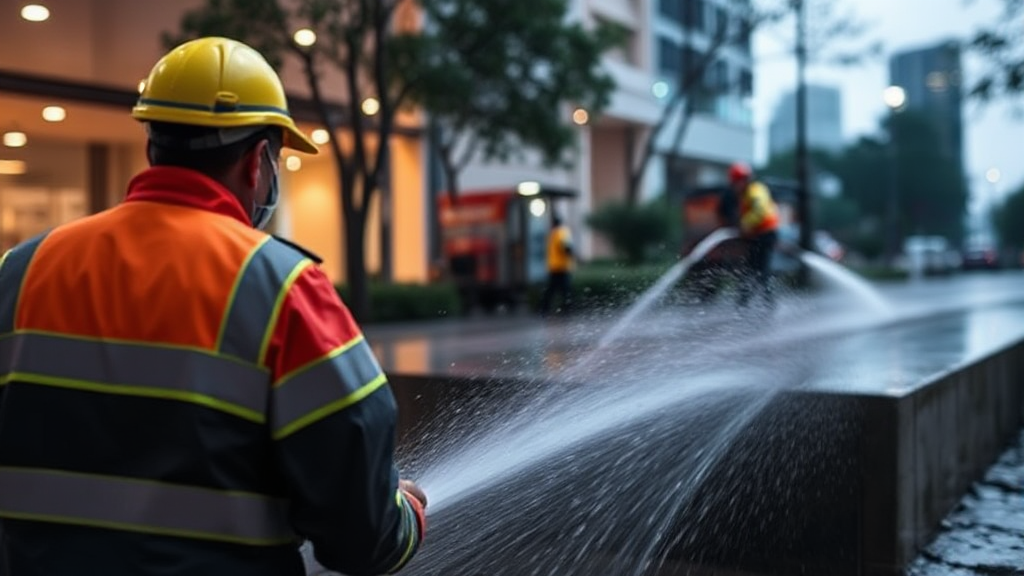
When the technician arrives, they will first confirm the problem by running water and observing how it drains. Then they will choose a method. For a simple blockage close to the fixture, a manual auger or a drain snake is usually enough. For grease buildup or roots in the main line, they may use a motorized auger or a hydrojetter — a machine that blasts high-pressure water to scour the pipe walls.
Feel free to ask what they are doing and why. A good technician will explain that hydrojetting removes not just the clog but also the grease and scale that caused it, which reduces the chance of a repeat blockage. If they recommend a camera inspection after clearing the line, that is a sign they want to verify the pipe is truly clear and not cracked or collapsed.
Stage 6: Verify the Result and Agree on Prevention
Once the blockage is cleared, the technician should run water through every affected fixture and show you that it drains freely. Do not skip this step. Run the tap for a full minute, flush the toilet, and run the washing machine if that was part of the problem. A drain is only truly clear when it handles a real load, not just a trickle.
Ask for a brief written summary of what was found and what was done. If the technician noticed a recurring issue — for example, grease buildup in a restaurant kitchen or tree roots near an outdoor cleanout — ask what preventive maintenance schedule makes sense. Many companies offer periodic hydrojetting or camera inspections that cost less than an emergency call.
Stage 7: Know When to Call a desentupidora em Parque São Lucas São Paulo SP Again
After the service, pay attention to how your drains behave over the next few weeks. If the same fixture starts draining slowly again, the original blockage may not have been fully removed, or there may be a deeper issue such as a broken pipe or a sagging line. In that case, call the same company and describe what changed — most reputable providers will honor a short warranty period on the work.
For businesses, such as restaurants or laundromats, a maintenance contract is often worth it. A quarterly visit to hydrojet the main line and inspect the grease trap prevents the kind of emergency that forces you to close for a day. For homeowners, an annual check of the main cleanout and a reminder never to pour cooking oil down the sink go a long way.
Frequently Asked Questions for First-Timers
How do I know if I need a desentupidora or a regular plumber?
A regular plumber handles leaks, fixture installation, and pipe repairs. A desentupidora specializes in clearing blockages in drains, sewers, and grease lines, often using equipment like hydrojetters and cameras that general plumbers may not carry. If the problem is slow drainage or a backup, start with a desentupidora.
Will the technician need to break walls or floors?
In most cases, no. Blockages are usually cleared through existing access points such as floor drains, cleanouts, or the roof vent. Walls are only opened if a camera inspection reveals a collapsed pipe that cannot be reached otherwise, and that is a separate repair job.
What should I do if the drain backs up again right after the service?
Call the company immediately and describe what happened. Do not pour chemical drain cleaners into the line, because they can damage pipes and make the next inspection harder. A reputable provider will return to check whether the original clog was fully removed or whether a deeper issue was missed.
Is it safe to stay in the house during hydrojetting?
Yes, but stay out of the immediate work area. Hydrojetting uses high-pressure water, and the technician will ask you to keep children and pets away from the drain being serviced. The process is contained within the pipes and does not release water into the room unless there is a separate defect.